
Built for harsh environments: customized solutions for PTFE greases
release time:
2025-12-15
This article explores the outstanding performance of PTFE grease in extreme environments and provides customized lubrication solutions to help industrial enterprises cope with high temperature, corrosion, and other chall
In the core battlefield of industrial production, equipment often needs to face severe tests such as high temperature, heavy load, corrosion or extreme temperature difference. Traditional lubrication solutions are often inadequate at this moment, resulting in increased equipment wear, frequent failures, and even unplanned downtime, causing huge economic losses. How to provide reliable protection for these "extreme challenges" equipment has become a key issue that engineers urgently need to solve.
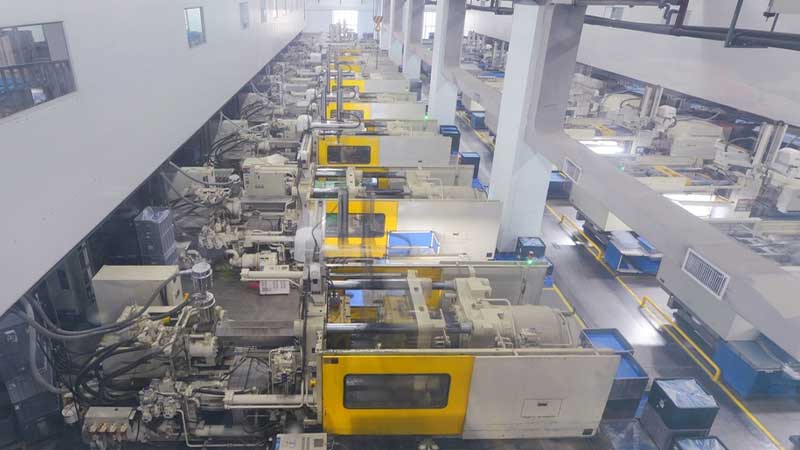
Facing the Extreme Challenge: Why Do Harsh Environments Call for Special Lubrication?
Harsh environments place almost demanding demands on lubricating materials. Ordinary grease will rapidly oxidize, thin or even coke at high temperatures, losing its lubricating ability; in chemically corrosive media, base oils and additives may be decomposed, resulting in lubrication failure; and strong vibration and shock loads require that grease must have excellent adhesion and extreme pressure wear resistance. Therefore, a high-performance grease that can comprehensively meet these challenges is not only a "necessity" for equipment, but also a "strategic material" to ensure continuous production and improve safety factor.
Exceptional performance of PTFE: a strong lubrication defense
Polytetrafluoroethylene (PTFE), commonly known as the "plastic king", brings unparalleled superior characteristics with its unique molecular structure. When it is applied to lubricating greases as a thickener or solid additive, PTFE grease with excellent performance is born. This grease has an extremely wide temperature range and can maintain a stable lubrication state in a wide range from -40 ° C to 260 ° C. Its inherent chemical inertness makes it able to resist the attack of most strong acids, alkalis and solvents. More importantly, PTFE's extremely low friction coefficient and excellent compression resistance can form a strong and smooth protective film on the metal surface, significantly reducing wear, especially for high-load, low-speed or reciprocating parts.
From Universal to Exclusive: The Core Value of Customized Lubrication Solutions
However, not all harsh environments are the same. Operating conditions and lubrication requirements vary slightly from industry to industry, from equipment to equipment, and even from part to part of the same equipment. The essence of a bespoke PTFE lubrication solution is to break the "one size fits all" model and achieve optimal matching through precise formulation adjustments. This includes selecting the appropriate base oil viscosity and type according to the specific operating temperature, adjusting the anti-corrosion additive package to the specific chemicals present, and designing the synergistic ratio of extreme pressure anti-wear agent to solid lubricant according to load and speed. A tailor-made lubrication solution maximizes the potential of PTFE for precise lubrication.
Practice empowers: Typical application scenarios for customized PTFE greases
On high-temperature mill bearings in the steel industry, custom-made high-temperature PTFE grease effectively prevents the evaporation and carbonization of the grease, ensuring the continuity of production. In the sealing parts of pump valves and agitators in chemical companies, corrosion-resistant PTFE grease is formulated to isolate harmful media and protect precision components. In food processing and packaging machinery, NSF H1-certified food-grade PTFE grease provides reliable lubrication while ensuring absolute safety of the product. These successful cases prove that customized solutions can directly target pain points and convert lubrication value into real productivity and competitiveness.
Working with Experts: How to Start Your Custom Lubrication Journey
Starting a customized lubrication project begins with an in-depth analysis of the operating conditions of its own equipment. Companies need to work closely with lubrication experts or suppliers with deep technical accumulation. Through detailed equipment audits, operating conditions analysis and oil testing, the root causes of lubrication failure and core performance requirements are jointly identified. Subsequently, simulation testing and iteration of formulations are carried out in the laboratory, and finally small-scale trials and long-term follow-up monitoring are carried out on the production line. This is a process that combines science and practice. The goal is to establish a long-term, economical and reliable lubrication management system to escort the healthy operation of equipment throughout its life cycle.
label:
related news


email address:
Hotline: